
When Is It Time for a Diesel Engine Rebuild? Key Signs and What to Expect
Diesel powertrains are celebrated worldwide for their legendary durability, remarkable torque output, and relentless long-term performance under demanding operating conditions. However, even the most robust heavy-duty machinery eventually succumbs to mechanical wear after hundreds of thousands of miles on the highway or countless operational hours in industrialized settings. Navigating this inevitable automotive reality demands that fleet owners, truck drivers, and equipment managers stay incredibly vigilant regarding underlying internal component degradation. Recognizing exactly when your powertrain requires deep mechanical intervention can easily prevent catastrophic on-road failures while safeguarding your initial financial investment. Understanding the technical process helps operators budget appropriately and schedule crucial fleet downtime effectively.
Tracking Global Market Industry Trends and Demands
Keeping a close eye on the broader industrial landscape reveals just how vital these heavy-duty powertrains remain to global supply chains and infrastructure projects. According to Globenewswire.com, the market value of diesel power engines is forecast to reach $15.6 billion by 2030, from $10.5 billion in 2023. This massive commercial trajectory highlights a sustained global reliance on internal combustion power, proving that keeping existing equipment operational is highly economical compared to purchasing entirely new fleets. Consequently, scheduling a comprehensive
diesel engine rebuild has become an increasingly popular and strategic solution for modern businesses aiming to maximize their current asset lifespans.
Observing Exhaust Smoke Colors and Visual Indicators
Paying close attention to what exits your tailpipe provides a direct window into the internal combustion chamber health without requiring invasive tool diagnostics. Excessive billowing black smoke typically indicates a severe fuel-to-air ratio imbalance, which frequently stems from worn injectors, bad turbochargers, or restricted air intake systems. Conversely, persistent blue smoke indicates that crankcase oil is bypassing worn piston rings or valve guides and burning directly inside the cylinders. White smoke usually signals that liquid coolant has breached the combustion chamber via a cracked cylinder head or a blown head gasket, proving that an internal diesel engine rebuild is necessary.
Monitoring Oil Consumption and Internal Blow-By Levels
Checking your dipstick frequently shouldn't reveal a rapidly dropping fluid level between scheduled service intervals under normal, everyday operating conditions. When a powertrain starts rapidly consuming oil without displaying any visible external pools or leaks on the shop floor, internal components are failing. This phenomenon often occurs alongside crankcase blow-by, where pressurized combustion gases slip past degraded piston rings down into the lower oil pan area. If you remove your oil filler cap while the machinery is idling and witness heavy, pulsing smoke escaping, your piston seals are thoroughly compromised, indicating a diesel engine rebuild is required.
Evaluating Drop-offs in Power and Overall Performance
Experiencing a sudden, frustrating inability to haul heavy loads up steep highway inclines is a classic sign of deep mechanical wear. This structural loss of compression occurs as the tight tolerances between the moving pistons and the cylinder walls slowly widen over time. The vehicle might feel sluggish during acceleration, exhibit delayed throttle responses, or struggle to maintain highway cruising speeds even when unladen. This general sluggishness means the powertrain is working twice as hard, wasting fuel while generating excessive internal heat that accelerates component damage, confirming that a comprehensive diesel engine rebuild is the most viable path forward.
Identifying Unusual Knocking Sounds and Engine Noises
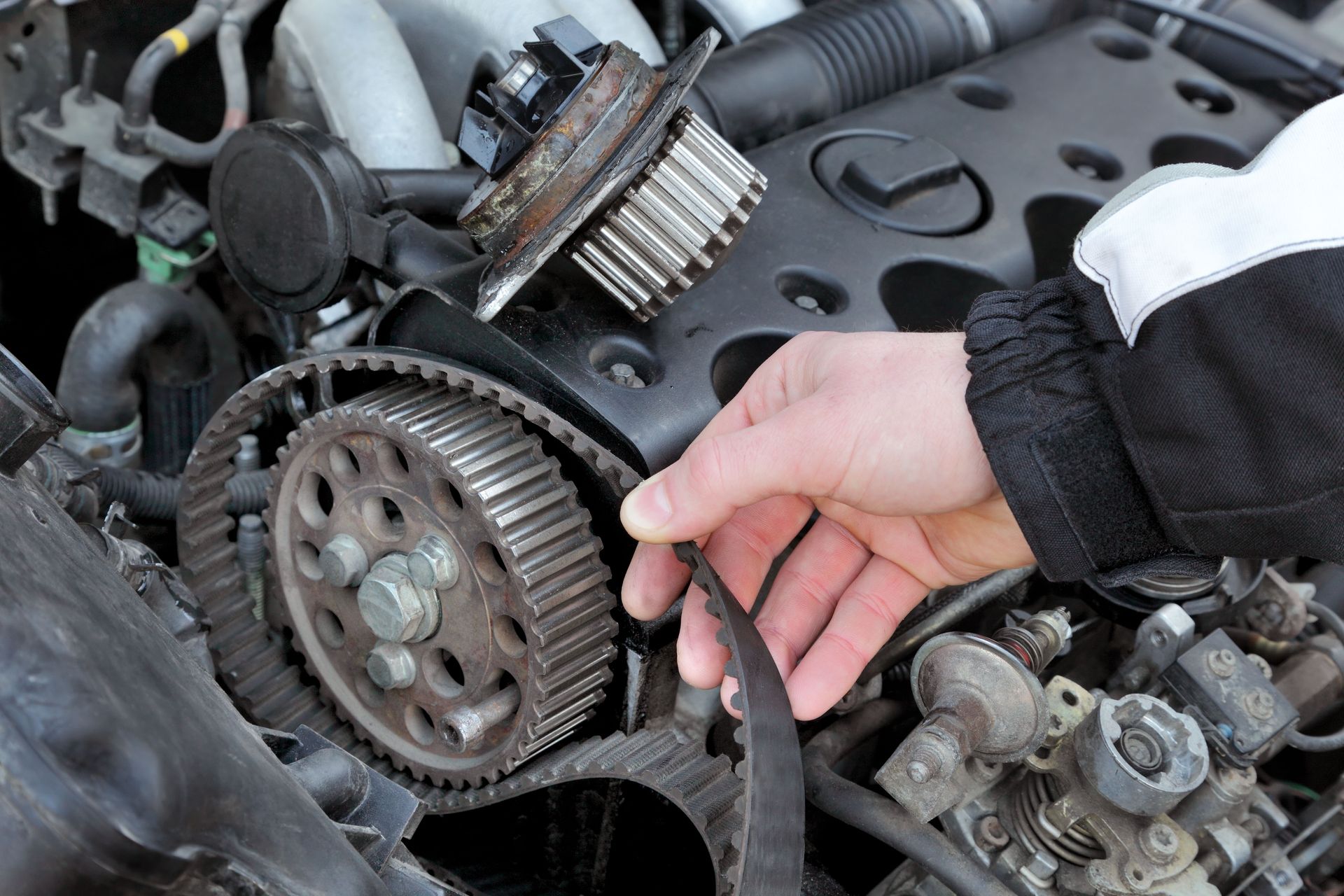
Listening carefully to the mechanical rhythm of your machinery can save you from a catastrophic block failure while driving on the highway. While older powertrains naturally produce a distinct, rhythmic clatter, you must differentiate this normal operation from harsh, metal-on-metal ticking or deep structural thumping. A sharp knocking sound that grows significantly louder under heavy acceleration often points directly to worn rod bearings or loose wrist pins deep inside. Ignoring these aggressive auditory warnings risks throwing a connecting rod right through the side of the metal block, completely destroying any future chances of executing a standard diesel engine rebuild successfully.
Analyzing Hard Starting Issues in Cold Weather
Struggling to get your machinery fired up on chilly mornings can indicate serious underlying compression issues rather than basic electrical battery drain. Because these powertrains completely rely on intense heat generated by high physical compression to ignite fuel, any loss of pressure creates severe starting hurdles. If your starter motor cranks repeatedly while the system spits unburnt fuel out of the exhaust, the cylinders are failing to reach ignition temperature. When glow plugs and fuel delivery pumps check out perfectly fine, low internal compression is the culprit, meaning an overhaul or a diesel engine rebuild is finally due.
Inspecting Coolant and Oil for Cross-Contamination
Examining your vital operational fluids during routine maintenance checks can instantly reveal severe structural breaches within the internal sealing gaskets. If you pull the oil dipstick and discover a milky, light-brown substance resembling a chocolate milkshake, cooling fluid is actively mixing into the lubrication system. This cross-contamination quickly destroys the protective film needed to shield crankshaft bearings from intense frictional heat during heavy-duty operations. Discovering oil slick bubbles floating inside your radiator reservoir confirms a cracked block or a blown head gasket, necessitating a complete, professional diesel engine rebuild to fix.
Investigating Frequent Overheating Cycles and Thermal Stress
Suffering through chronic, unpredictable overheating episodes despite having a completely fresh radiator, functional thermostat, and healthy water pump points toward internal failure. When combustion gases leak past a compromised cylinder head seal, they enter the cooling passages, creating massive air pockets that disrupt fluid flow. This localized thermal stress warps critical metal components rapidly, leading to micro-cracks along the cylinder head surfaces that worsen during every subsequent trip. Once the internal structural integrity is compromised by extreme heat, simple external repairs will no longer suffice, leaving a complete engine rebuild as your only option.
Calculating Historical Mileage and Total Operational Hours
Reviewing your maintenance logs and odometer readings provides a highly predictable baseline for determining when components are reaching their engineering limits. Most heavy-duty commercial powertrains are design-rated to run between 500,000 and 1,000,000 miles before requiring major mechanical overhauls or restorative shop procedures. Off-highway industrial machinery used in construction or agricultural applications uses hour meters, typically showing signs of severe structural wear around 12,000 to 15,000 hours. Reaching these high usage milestones means the internal metal composition has naturally fatigued, making a planned engine rebuild a smart preventative strategy.
Executing Diagnostics and Measuring True Cylinder Compression
Performing a physical compression test or a cylinder leakage evaluation yields hard, undeniable data regarding the actual sealing capabilities of your components. Mechanics thread a specialized pressure gauge directly into the injector glow plug ports to measure the maximum pressure generated during a normal cranking cycle. If the resulting numbers fall significantly below the manufacturer's original specifications, or if variance between individual cylinders exceeds ten percent, mechanical failure is present. This precise diagnostic testing eliminates guesswork, giving fleet managers concrete proof that the internal components are worn out and require a structured engine rebuild.
Disassembling the Block and Inspecting Internal Parts
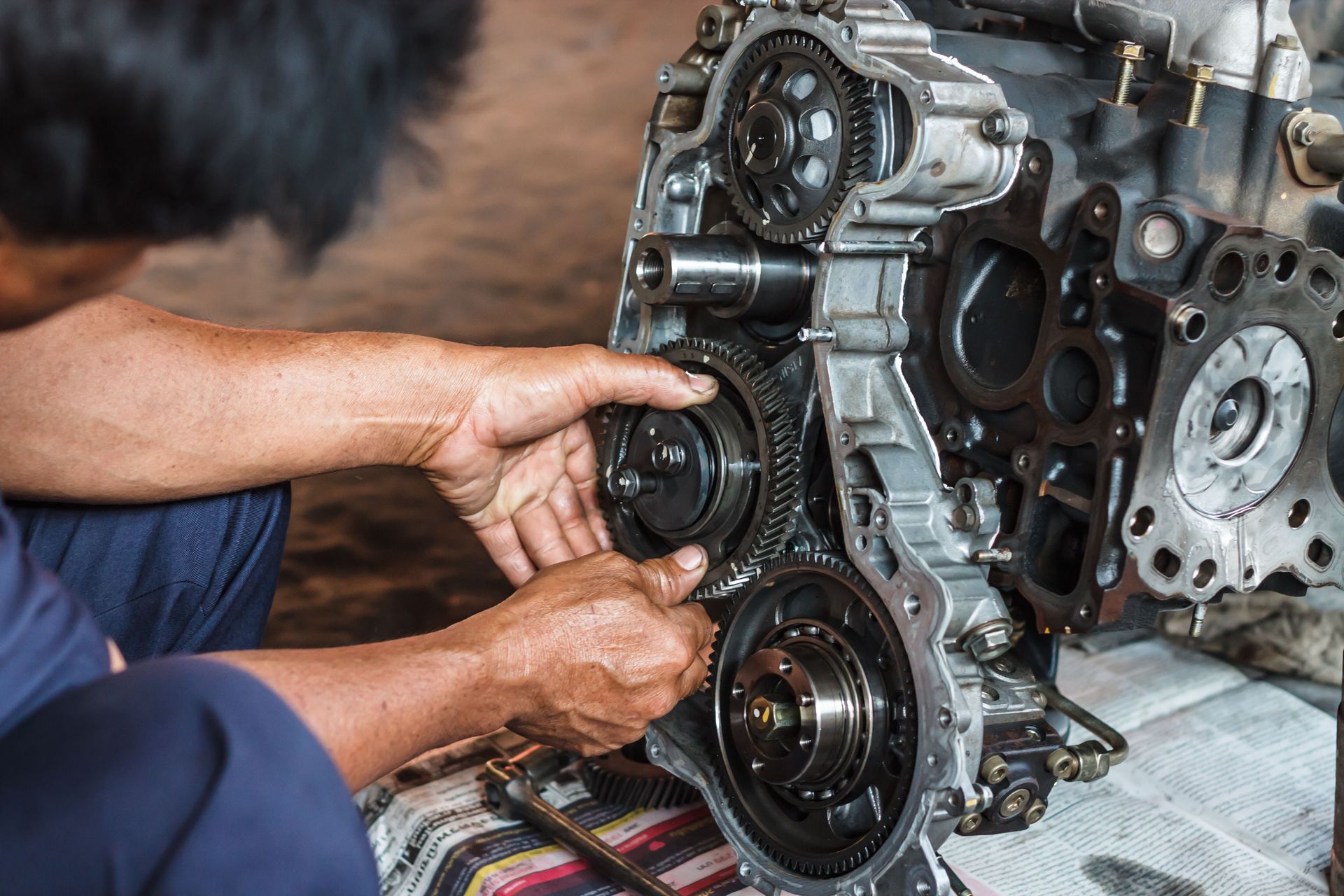
Beginning the actual physical process requires a certified technician to carefully extract the massive powertrain assembly and strip it down completely. Every single component, from the heavy cast-iron block to the delicate valve springs, undergoes deep chemical cleaning to remove baked-on carbon. Machining specialists then use ultra-precise micrometers to measure cylinder bore taper, crankshaft journal wear, and cylinder head flatness down to the ten-thousandth of an inch. Any components falling outside strict factory tolerance limits are marked for replacement, while the structural block itself is checked for hidden microscopic stress cracks.
Embracing the comprehensive process of revitalizing your heavy-duty powertrain demands a significant investment of time, professional mechanical expertise, and financial resources. However, ignoring the clear warning signs of internal degradation inevitably results in catastrophic road failures that destroy expensive core components beyond any repair. By recognizing issues like low compression, severe blow-by, fluid contamination, and unusual knocking early, operators protect their equipment and ensure business continuity. Ultimately, investing in a professional engine rebuild rewards owners with a dependable machine that delivers factory-spec performance, lowers long-term operational costs, and provides structural reliability for miles to come. Are you seeking a professional diesel engine rebuild team in the Crown Point, IN area? Look no further than the professionals at Superior Engine Service, Inc! Call today for more information.

Share On: