
7 Key Steps for Successful Diesel Engine Rebuilds
A diesel engine rebuild is a major mechanical project that requires careful sequencing, accurate workmanship, and close attention to the condition of every internal component. The goal is not simply to replace a few worn parts. A successful rebuild restores the engine through a structured process that begins with evaluation and ends with final installation, inspection, testing, and tuning. When each phase is completed methodically, the rebuilt engine has a stronger foundation for dependable operation, improved performance, and an extended service life. These seven steps explain how professional diesel engine rebuilds move from the first assessment to a finished engine that is ready to return to work.
1. Confirm That Rebuilding Is the Appropriate Direction
Before disassembly begins, the engine's condition and symptoms should be considered carefully. A rebuild may be appropriate when power becomes inconsistent, compression declines, oil consumption increases, or normal operation becomes less dependable. The central question is whether the engine can be restored by rebuilding its internal components rather than replacing the entire unit.
This first stage helps define the scope of the project. Technicians need to understand the reported performance concerns, the way the truck is used, and whether the engine's core remains suitable for rebuilding. A clear starting point prevents the process from becoming a collection of unrelated repairs.
According to the Bureau of Labor Statistics, employment of diesel service technicians and mechanics is projected to grow 3 percent from 2023 to 2033. That projected growth reflects the continuing need for skilled professionals who understand the detailed mechanical work required to keep diesel-powered trucks operating.
2. Disassemble the Engine Completely and Methodically
Complete engine disassembly provides access to the internal parts that cannot be evaluated accurately while the engine remains assembled. Components must be removed in an organized sequence so their condition can be reviewed and the rebuild can proceed without confusion.
During this phase, technicians separate the major internal parts and look for visible wear, damage, or conditions that may have contributed to reduced performance. Organized handling is important because serviceable components may be reused after cleaning and preparation, while worn or damaged parts may require machining or replacement.
Careful disassembly also helps reveal concerns that were not obvious from the engine's external symptoms. Successful diesel engine rebuilds depend on this detailed teardown because overlooked internal wear can undermine later machining, reassembly, and testing.
3. Clean and Prepare Every Reusable Component
Once the engine has been taken apart, components need to be cleaned and prepared before accurate decisions can be made about their condition. Oil residue, carbon buildup, dirt, and other contaminants can conceal wear or interfere with inspection and machining.
Cleaning is not merely cosmetic. Proper preparation creates a clearer surface for evaluating whether a component remains serviceable and whether it can be returned to the engine. It also helps prevent old debris from entering the rebuilt assembly.
The preparation stage should be completed before parts are machined, replaced, or reassembled. Keeping this phase separate from final assembly reduces the chance that contaminants will compromise the finished work. For diesel engine rebuilds, thorough cleaning supports more reliable inspection and helps establish the controlled conditions needed for the next steps.
4. Inspect, Measure, Machine, or Replace Parts as Needed
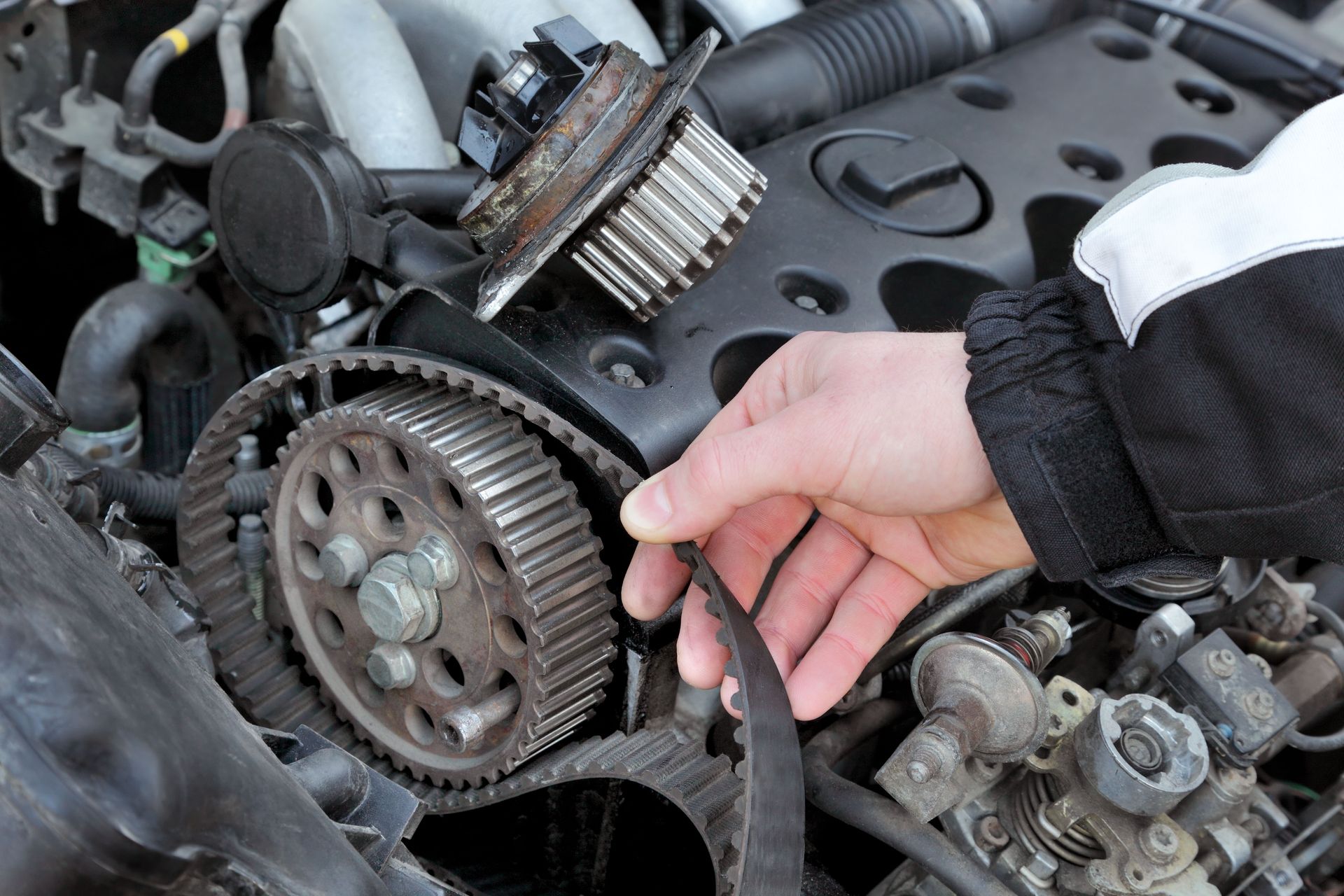
After cleaning, each component can be evaluated more accurately. Technicians inspect the parts, compare their condition with the required specifications, and determine whether they can be reused. Components that are worn beyond acceptable limits may need to be replaced, while others may be restored through machining.
This phase requires precision because the condition of individual parts affects how the entire engine will operate after reassembly. Clearances and tolerances must support proper movement and fit throughout the engine. A part that appears usable at a glance may still be unsuitable if it does not meet the necessary measurements.
Replacement and machining decisions should be based on the condition of the component rather than convenience. Reusing a part that is too worn can shorten the life of the rebuild, while replacing a serviceable component unnecessarily may add cost without improving the result. Careful evaluation keeps the project focused on restoring dependable function.
5. Reassemble the Engine to Exact Specifications
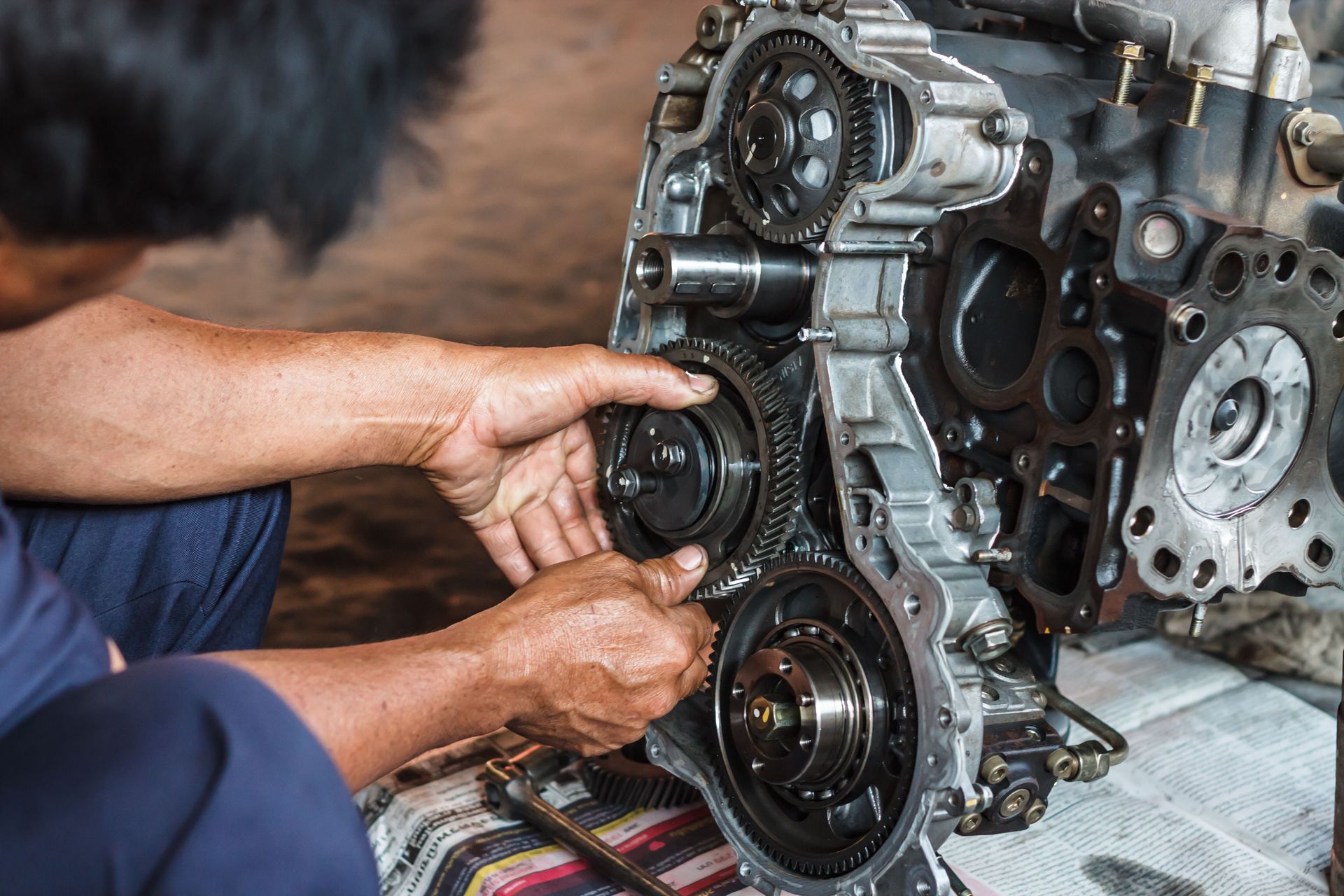
Reassembly brings the cleaned, machined, replaced, and approved components back together as a complete engine. This is one of the most detail-sensitive stages because each part must be installed correctly and in the proper sequence.
The work should follow the required specifications for the engine being rebuilt. Proper fit, alignment, and clearances allow the internal components to operate together rather than placing unnecessary stress on one another. Accuracy during this stage supports smoother operation and helps restore the performance lost through wear.
Professional diesel engine rebuilds rely on disciplined reassembly instead of rushed installation. Every completed section should support the next, and the technician should maintain careful control over the process until the engine is fully assembled.
6. Test and Tune the Rebuilt Engine
A rebuilt engine should not be considered complete as soon as the final component is installed. Testing and tuning provide an opportunity to evaluate how the engine operates after reassembly and to identify concerns before it returns to regular service.
Testing helps confirm that the rebuilt engine functions as intended and that the restored components work together correctly. Tuning can then refine operation so the engine performs more consistently under expected conditions. This stage supports improved power delivery, smoother performance, and dependable operation.
If a concern appears during testing, it should be addressed before final installation is treated as finished. The purpose of this phase is to verify the work, not simply demonstrate that the engine can start. Thorough testing is a critical quality-control step in diesel engine rebuilds because it connects careful mechanical work with real operating performance.
7. Complete Final Installation and Inspection
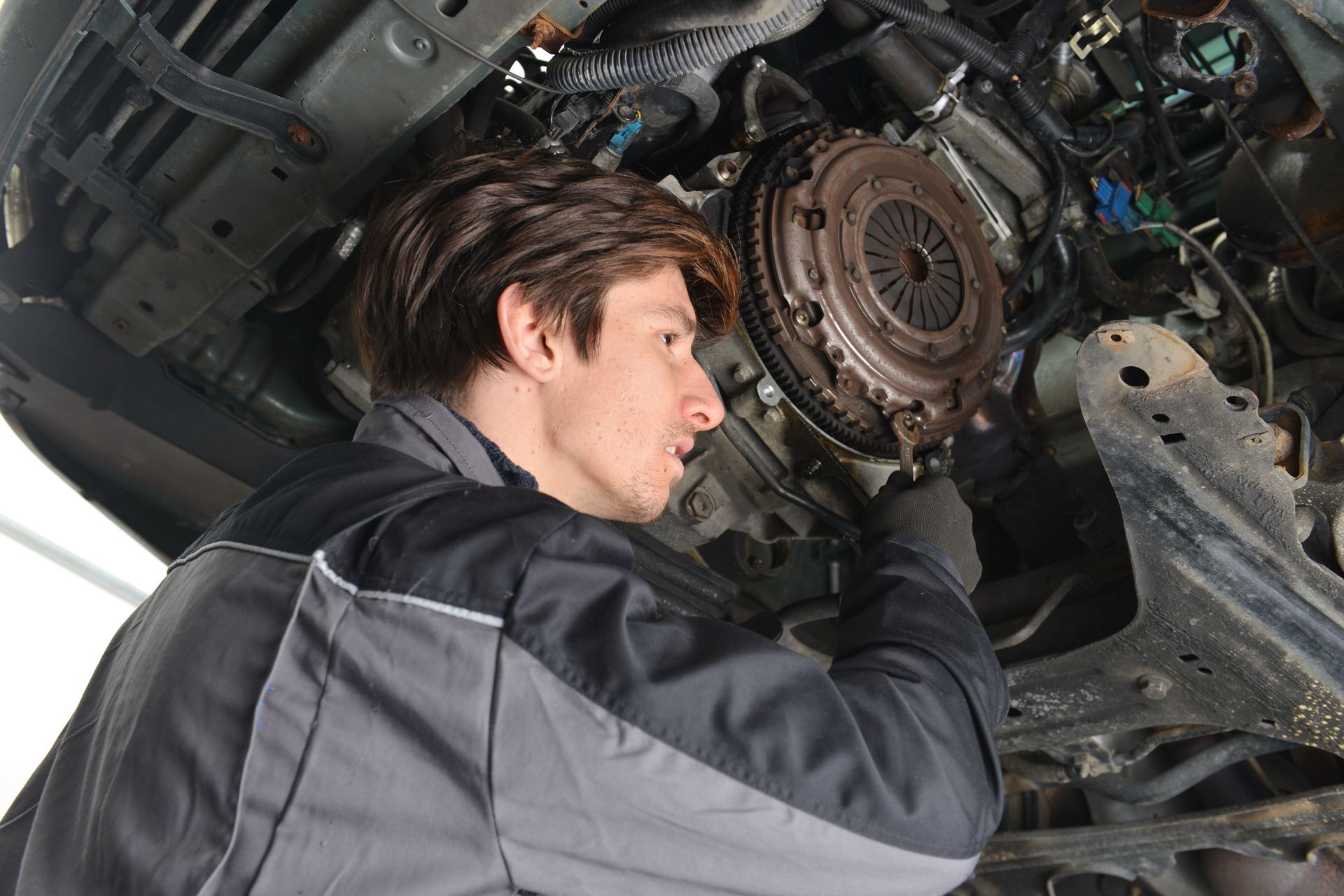
The final stage is installing the rebuilt engine and inspecting the completed work. Installation must be handled carefully so the engine is positioned correctly and connected for proper operation within the truck.
A final inspection provides another opportunity to review the completed project before the vehicle returns to service. The technician can confirm that the installation is complete, the engine operates as expected, and no visible issue has been overlooked during the final phase.
This step also closes the rebuild process by connecting the earlier teardown, cleaning, machining, replacement, reassembly, testing, and tuning work. Successful rebuilds depend on every one of these stages. Skipping or rushing the final inspection can weaken an otherwise careful project.
A Structured Rebuild Supports Long-Term Performance
A successful rebuild follows a clear progression: evaluate the engine, disassemble it, clean and prepare the components, inspect and restore the parts, reassemble the engine, test and tune it, and complete final installation and inspection. Each stage contributes to the reliability of the finished result and helps extend the usable life of a hardworking diesel truck.
Superior Engine Service, Inc provides comprehensive truck-engine rebuilds for drivers and operators in Crown Point, Northwest Indiana, and the Chicagoland area. Its services include engine disassembly, cleaning and preparation, part replacement and machining, reassembly, testing and tuning, final installation, and inspection. Our diesel engine rebuilds are completed to exact specifications and backed by a one-year or 100,000-mile warranty on repairs.
Share On: